
22 Fabulous Earthy Kitchen Ideas for a Nature-Inspired Makeover
I walked into a kitchen last autumn that stopped me completely. It was not a large kitchen and it was not an expensive kitchen but it felt like the most grounded and the most genuinely beautiful cooking space I had been in for years. The walls were the warm terracotta of sun-dried earth, the cabinets were painted in a deep sage that looked like it had been mixed from actual plants and every surface held some form of natural material — rough stone, a wooden bowl, a terracotta pot spilling with herbs. The kitchen smelled faintly of something cooking and something green and it felt genuinely connected to the natural world in a way that most modern kitchens have entirely forgotten how to be. I have been chasing that feeling ever since. Here are twenty-two earthy kitchen ideas that will help you find it.
1. Terracotta Painted Walls
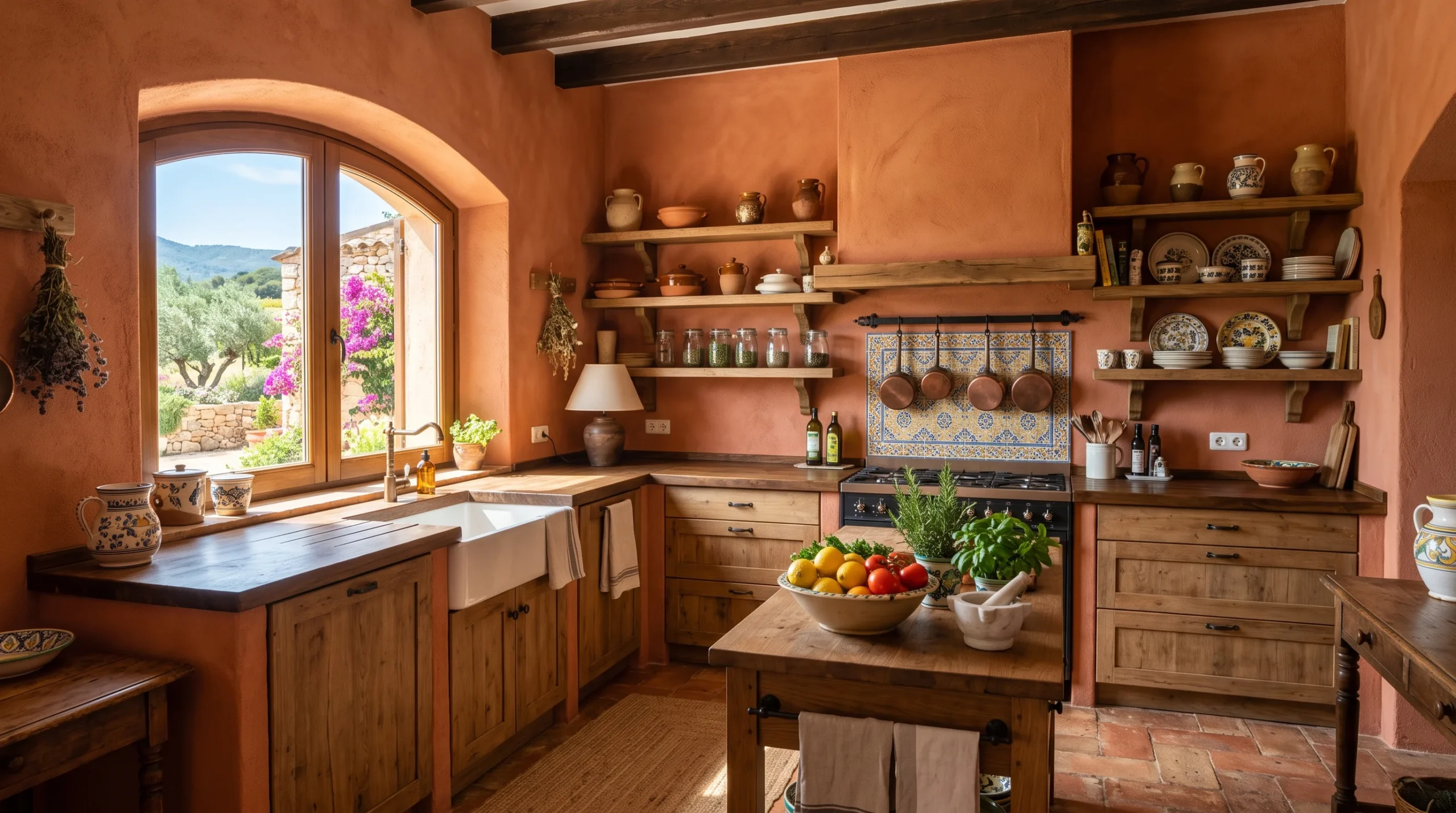
Terracotta painted kitchen walls are the single most immediately impactful earthy kitchen transformation possible. The warm red-orange of terracotta is one of the most ancient and most beautiful interior colors in existence — it references clay bowls fired in kilns centuries ago and the walls of Mediterranean houses in full summer sun simultaneously. In a kitchen terracotta walls make every meal prepared within them feel warmer, more nourishing and more connected to the earth.

2. Raw Wood Open Shelving
Open shelving made from raw or lightly oiled natural wood planks — with the grain visible, the natural imperfections present and no staining or painting applied — creates the most authentic earthy kitchen storage element possible. The raw wood brings the forest into the kitchen and the way it ages over time developing a deeper warmth and more personal character makes it one of the few kitchen materials that genuinely improves with use.

3. Stone or Concrete Countertops
Natural stone countertops in quartzite limestone or slate or poured concrete countertops in warm grey bring the most elemental earthy material quality into the kitchen work surface. The visible grain and natural variation of stone or the organic texture of concrete creates a countertop that feels genuinely connected to the earth beneath the house and both materials age beautifully, developing a patina that makes them increasingly beautiful over years of use.

4. Sage Green Cabinet Fronts
Sage green cabinet fronts in a matte or chalky finish create the most naturally beautiful earthy kitchen palette possible. The muted grey-green of sage is a color that exists in abundance in the natural world — in lichen on rocks in drought-tolerant herbs in the undersides of olive leaves — and it brings that quality into the kitchen in a way that makes the space feel genuinely connected to the plant world outside.

5. Woven Rattan and Cane Details
Incorporating woven rattan or cane elements into the earthy kitchen — rattan pendant lights, cane-front cabinet doors, a rattan bar stool, a woven basket for bread storage — creates a layer of natural textile warmth that no manufactured material can replicate. The woven organic structure of rattan and cane catches light beautifully and adds a texture that the smoother surfaces of a kitchen rarely provide.

6. Terracotta Floor Tiles
Terracotta floor tiles in a kitchen create the most warm and grounding floor surface possible. The natural variation in color across individual terracotta tiles — from deep russet to pale orange — creates a floor of extraordinary richness and the material connection between the clay underfoot and the earth beneath gives the kitchen a rootedness and permanence that ceramic and porcelain tiles entirely lack.

7. Wooden Ceiling Beams
Exposed wooden ceiling beams in an earthy kitchen draw the eye upward and fill the overhead space with the warm organic presence of natural timber. Whether original structural beams or decorative additions, wooden beams make the kitchen feel lower, warmer and more enclosed in the best possible way — like a kitchen that belongs to a house that has been standing for generations and has accumulated its warmth over decades.

8. Dried Herb Bundles and Botanicals
Hanging bundles of dried herbs — rosemary lavender sage thyme bay — from ceiling beams or from a wall-mounted rail creates a kitchen that smells and looks like a proper working kitchen connected to the garden beyond its walls. The combination of the deep greens and warm purples of dried herbs against the earth-toned walls and wooden surfaces of an earthy kitchen creates a display of organic natural beauty that no decoration can replicate.

9. Warm Amber Lighting
Warm amber lighting throughout an earthy kitchen — from Edison bulb pendants to warm strip lighting under shelves to candlelight from ceramic holders on the counter — creates an atmosphere after dark that makes the earth tones and natural materials of the kitchen absolutely glow. Cool white light suppresses the warmth of earth tones while warm amber light amplifies them and creates a kitchen that feels genuinely magical in the evening.

10. Handmade Ceramic Collection
A collection of handmade ceramic pieces — mugs, bowls, a serving dish, a jug with a simple glaze in earthy tones — displayed on open shelving in the kitchen creates a surface of extraordinary natural beauty. Handmade ceramics in terracotta cream warm grey and sage green tones have a weight and imperfection that communicates genuine craft and their presence in an earthy kitchen tells the story of a person who values the handmade and the natural.

11. Mushroom or Warm Taupe Walls
Warm taupe or mushroom-toned walls in a kitchen create a sophisticated neutral earthy palette that is warmer and more natural than grey without the intensity of terracotta. Mushroom and warm taupe tones reference the colors of dried grasses, autumn leaves and the interior of a wheat field at harvest time and in a kitchen they create a backdrop of quiet earthy warmth that allows natural materials and green plants to be fully appreciated.

12. Stone or Brick Feature Wall
A natural stone or exposed brick feature wall in an earthy kitchen creates the most elemental and the most texturally rich surface possible. The rough irregular surface of stone or brick introduces a material weight and permanence that makes the kitchen feel genuinely grounded and the earthy tones of natural stone and aged brick harmonize completely with the warm organic palette of an earth-toned kitchen.

13. Olive Green Kitchen Accents
Olive green accents throughout an earthy kitchen — in the bar stool cushion fabric the tea towel a painted cupboard door the ceramic mug collection — create a color story that references the natural world with remarkable consistency. Olive green and terracotta exist together in the landscape in a particularly beautiful way and bringing the same combination into the kitchen creates a space that feels genuinely organic and genuinely of the earth.

14. Wicker and Wooden Storage Baskets
Using wicker and wooden storage baskets throughout the earthy kitchen — for bread for produce, for cleaning supplies for kitchen linens — creates a storage system that is both functional and genuinely beautiful. The warm honey tones of wicker and the wood grain of wooden crates and boxes add to the natural material palette of the earthy kitchen and the organic imperfect forms of woven baskets are a genuine pleasure to look at.

15. Copper Cookware and Accessories
Copper cookware displayed on a ceiling rack or wall-mounted rail in an earthy kitchen adds the warmest and most beautiful metallic element possible to the natural material collection. The warm red-gold of copper harmonizes perfectly with terracotta walls, wooden surfaces and sage green cabinets and develops a patina over time that makes it increasingly beautiful. A copper pot above an earthy kitchen is one of the most naturally harmonious kitchen details in existence.

16. Linen and Natural Fiber Textiles
Filling the earthy kitchen with natural fiber textiles — linen curtains, a jute runner, a cotton dishcloth, a linen apron hung on a hook — creates a softness and warmth through fabric that hard surfaces alone cannot provide. Natural fiber textiles in cream natural linen and warm white add texture and movement to the kitchen and connect the space to the fiber arts and domestic crafts that have always been part of kitchen life.

17. Clay or Terracotta Pots for Herb Growing
A collection of clay or terracotta pots holding kitchen herbs — basil rosemary thyme sage mint — on the kitchen windowsill or counter creates a living earthy display that is both beautiful and genuinely useful. The warm red of terracotta pots with green herb foliage against a kitchen window is one of the most naturally beautiful kitchen still life compositions and the fragrance of the herbs fills the kitchen with the most appetizing of all natural scents.

18. Raw Plaster or Limewash Walls
Raw plaster or limewash painted kitchen walls create a surface with an organic slightly uneven texture that no standard paint finish replicates. The slight variation in tone and texture across a limewash or raw plaster wall means the surface appears to breathe and change with the light throughout the day and the material quality of the finish connects the kitchen walls to ancient building traditions of genuine beauty and depth.

19. Wooden Cutting Boards as Display
Displaying a collection of beautiful wooden cutting boards — in different woods, different shapes and different sizes — on the counter or mounted on the wall creates a kitchen display that is both functional and genuinely beautiful. The grain patterns of different woods create a natural art installation on the kitchen wall and the collection communicates a genuine love of both cooking and the natural materials that make cooking feel more meaningful.

20. Warm Brown and Cream Color Palette
Building the earthy kitchen around a warm brown and cream palette — warm brown cabinets, cream walls, cream countertops with brown undertones and brown natural fiber accessories — creates a kitchen of extraordinary warmth and comfort that feels like the most welcoming room in any home. The brown and cream combination references the colors of fresh bread, warm milk and kitchen ingredients in the most appetizing and most genuinely homely way.

21. Stone Sink or Butler Sink
A stone sink — carved from a single piece of natural stone — or a deep white butler sink in the earthy kitchen creates a work surface and water feature that feels genuinely connected to traditional kitchen craft. The weight of a stone sink, its cool smooth surface and its visible natural material quality makes washing up a more considered and more pleasurable activity and it anchors the earthy kitchen in the most literal and beautiful way possible.

22. Mushroom-Toned Grout in Natural Stone
Using warm mushroom or tan-toned grout between natural stone or earthy ceramic floor and wall tiles in the kitchen creates a tonal harmony between the tile and the grout that makes the whole tiled surface read as one unified natural material rather than a pattern of individual tiles separated by white lines. The warm grout tone connects to the earth tones of the tiles and the overall effect is a surface of remarkable natural cohesion and beauty.


